


"It was one of those perfect English autumnal days which occur more frequently in memory than in life." P.D. James


Despite autumn officially arriving, today's balmy weather felt like a gentle extension of summer, with clear blue skies providing a brilliant backdrop for our dedicated community effort - locked as we are in our battle (which we are undoubtedly winning) against Crassula helmsii—the aggressive, non-native New Zealand pygmyweed that has threatened to suffocate this vital aquatic habitat.
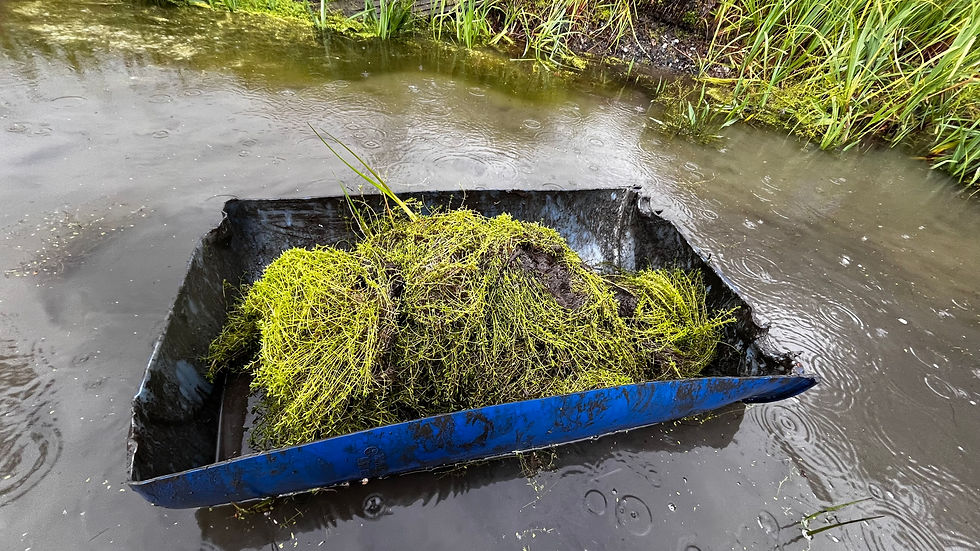
With the pond’s water levels naturally low at the end of a warm season, our team is able to move carefully through the shallow water as well as manouever nearer the centre of the pond to get to the weed. The dense mats of green vegetation can therefore be pulled by hand, and either gathered into upturned half-barrels, acting as buoyant barges, to be floated alongside them on the water's surface, acting as buoyant barges or placed onto wooden pallets for drying.
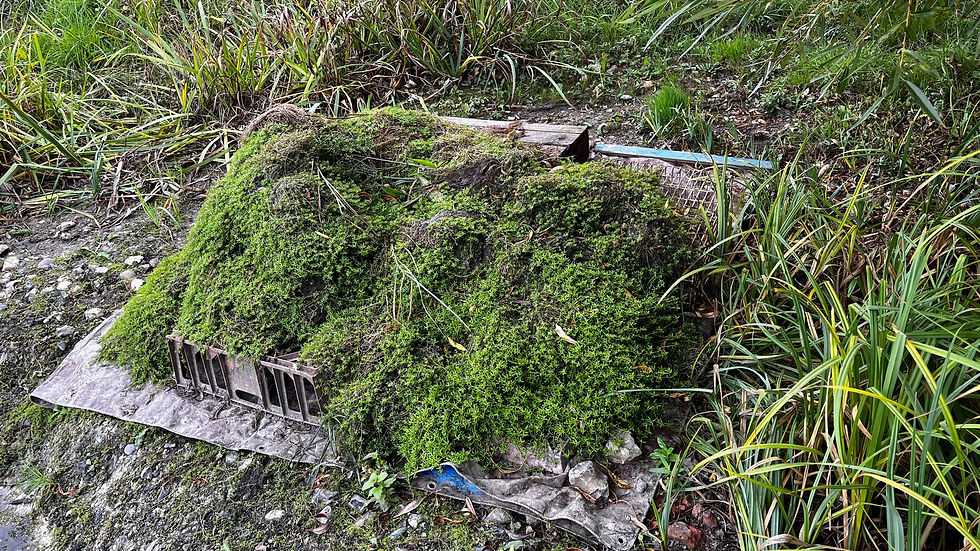
On the banks of the pond, we stack the dripping masses of Crassula onto raised pallets and crates to drain. The previous week's haul, now safely dried and withered by the elements, is systematically gathered up and packed into heavy-duty green bags, prepared for secure disposal.


We were once again eternally grateful for Charlie's help in taking away the heavy bags of Crassula, to the nearby pit for burial. His help is invaluable to us!


The rewards of this long-term community project are already showing across the changing landscape. Where a suffocating blanket of invasive weed once dominated, open patches of clean, reflective water are now visible. Patches of native flora—like water mint, water forget-me-not, and marsh marigold—are successfully establishing themselves in the restored boggy edges, creating a welcoming sanctuary for local wildlife.
Yesterday we also observed a flurry of Long Tailed Tits feeding from the Common Dogwood berries - once again signaling the success of a village community united in protecting its natural heritage.


Comments